Answer Brief
AhnLab SEcurity intelligence Center (ASEC) reports persistent targeting of Windows-based IIS and Apache Tomcat servers in Q1 2026. Attackers, notably the Larva-26001 threat actor, utilize web shell command execution, privilege escalation exploits like JuicyPotato, and port-forwarding tools to seize control of infected systems through RDP-mediated access and internal network lateral movement.
Signal Timeline
A quick visual path for analysts before reading the full brief.
- 1
Start of Q1 2026 reporting period for Windows web server attacks.
- 2
End of Q1 2026 observation period for Larva-26001 activity.
- 3
AhnLab SEcurity intelligence Center publishes statistical report on Q1 malware trends.
- 4
Current runtime review of threat intelligence and historical attacker persistence.
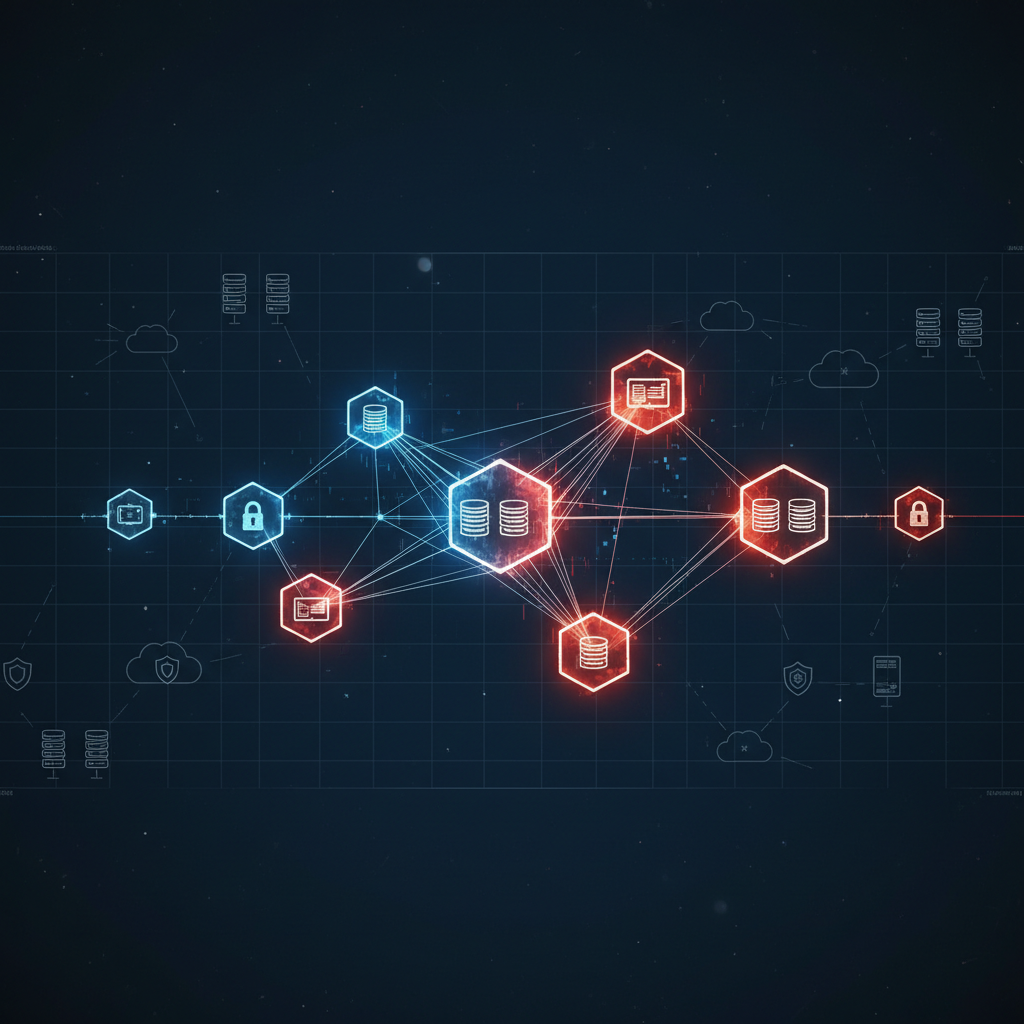
Executive Summary: AhnLab SEcurity intelligence Center (ASEC) reports persistent targeting of Windows-based IIS and Apache Tomcat servers in Q1 2026. Attackers, notably the Larva-26001 threat actor, utilize web shell command execution, privilege escalation exploits like JuicyPotato, and port-forwarding tools to seize control of infected systems through RDP-mediated access and internal network lateral movement.
Why It Matters
The first quarter of 2026 has seen a continuation of sophisticated, multi-stage attacks targeting Windows-based web infrastructure. The data from AhnLab SEcurity intelligence Center (ASEC) indicates that Internet Information Services (IIS) and Apache Tomcat servers remain high-value targets for threat actors seeking a foothold in corporate networks. This trend matters because web servers often sit at the intersection of public-facing internet and sensitive internal databases, making them ideal points for initial compromise.
The technical signal identified in Q1 is characterized by a standardized 'attack chain' that begins with the deployment of web shells. This initial entry is typically achieved through unpatched RCE vulnerabilities or file upload flaws. Once the web shell is established, the operational focus shifts rapidly to privilege escalation. By transitioning from a low-privilege web service account to system-level access, attackers bypass traditional security boundaries and prepare the environment for deeper infiltration.
Technical Signal
A significant portion of the observed activity is attributed to Larva-26001, a threat actor with a long-standing history of targeting South Korean infrastructure. Their persistence highlights the regional risk for East Asian enterprises using Windows-based web stacks. For global security teams, the Larva-26001 activity serves as a blueprint for how localized threat actors utilize well-known exploits like JuicyPotato and BadPotato to achieve high-impact results even years after the exploits were first identified.
Following privilege escalation, the operational goal shifts to persistence and remote connectivity. The use of proxy and port-forwarding tools such as HTran (LCX) and PortTranC is a critical indicator of intent. These tools are specifically leveraged to expose port 3389 (RDP) to the attacker, allowing for interactive remote sessions that mimic legitimate administrative activity. This tactic effectively turns a web server into a remote-access gateway for the attacker.
Operational Impact
Infrastructure and cloud security teams should recognize that the risk boundary extends beyond the web server itself. The deployment of CoinMiners and backdoors following a successful compromise suggests a dual-track motivation: immediate monetization through resource hijacking and long-term espionage or data theft. The presence of proxy tools confirms that these servers are being used as pivot points to reach the broader internal network.
To mitigate these risks, organizations must prioritize patching known web framework vulnerabilities and enforcing strict file upload policies. Furthermore, the reliance on RDP for remote control underscores the need for robust access controls, including multi-factor authentication (MFA) and the restriction of RDP access to VPN-only or zero-trust architectures. Security teams should also monitor for unusual outbound connections from web servers, which may indicate the presence of active port-forwarding tools.
What To Watch
Looking forward, the evolution of Larva-26001 and similar groups suggests a trend toward more automated exploitation of web-based WAS (Web Application Server) vulnerabilities. As organizations migrate toward hybrid cloud environments, the security of legacy Windows web servers remains a significant blind spot. Monitoring the frequency of web shell detections and the deployment of 'Potato' family exploits will be essential for identifying early-stage compromises.
Finally, the integration of antivirus solutions (like V3) with behavior-based detection is critical for identifying the post-exploitation tools mentioned in the ASEC report. Since many of the tools used—such as LCX or privilege escalation scripts—may be modified to evade static signatures, behavioral analysis of process spawning from web server worker processes (like w3wp.exe) remains the most effective detection strategy.
Event Type: security
Importance: high
Affected Companies
- AhnLab
- Apache Software Foundation
- Microsoft
Affected Sectors
- Cloud Computing
- Cybersecurity
- Information Technology
Key Numbers
- Quarter Analyzed: Q1 2026
- Primary Target Port: 3389
- Specific CVE Noted: CVE-2019-1458
Timeline
- Start of Q1 2026 reporting period for Windows web server attacks.
- End of Q1 2026 observation period for Larva-26001 activity.
- AhnLab SEcurity intelligence Center publishes statistical report on Q1 malware trends.
- Current runtime review of threat intelligence and historical attacker persistence.
Frequently Asked Questions
Which threat actor is currently active against Windows web servers?
The Larva-26001 threat actor has been identified as a primary threat to domestic IIS web servers. This actor has maintained activity for several years, focusing on installing port-forwarding tools and escalating system privileges to gain persistent access.
What are the primary methods used to compromise Windows servers?
Attackers primarily exploit file upload vulnerabilities, web framework weaknesses, or unpatched Remote Code Execution (RCE) vulnerabilities. Once inside, they deploy web shells as the main vehicle for command execution and further system exploitation.
Which tools are commonly used for privilege escalation and proxying?
Security logs show frequent use of JuicyPotato, BadPotato, and the CVE-2019-1458 exploit for privilege escalation. For proxying and port forwarding, HTran (LCX) and PortTranC are commonly used to target the RDP port (3389).
What is the end goal of these web server attacks?
The ultimate objective is typically internal network takeover. By using proxy tools to mediate with the Remote Desktop Protocol (RDP) service, attackers can establish remote control over infected systems and move laterally within the organization's infrastructure.